
If you’re shopping for a fast charger, you’ll see two terms that sound like they compete: GaN and PD. They’re related, but they describe different things. One is about what the charger is made with; the other is about how it talks to your device. Knowing the difference helps you pick the right wall charger for your phone, tablet, laptop, or power bank without overbuying or ending up with slow charging.
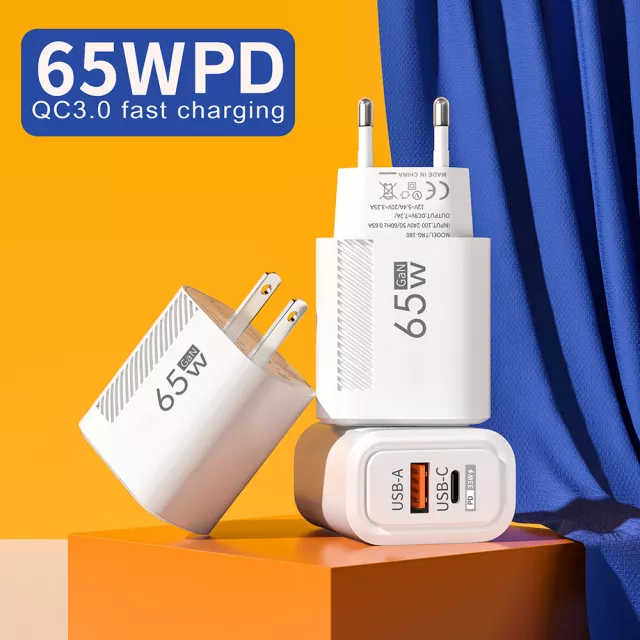
GaN stands for gallium nitride, a newer semiconductor material used inside many modern chargers instead of traditional silicon. In practical terms, GaN designs can run more efficiently and with less wasted heat, which often allows a smaller, lighter charger body while still delivering high wattage. That’s why you’ll commonly see compact 45W, 65W, or higher-output chargers marketed as “GaN.”
GaN doesn’t automatically guarantee faster charging for your specific device; it mainly improves the charger’s size-to-power ratio and thermal efficiency. You still need the right charging standard and enough wattage for your device to benefit.
PD stands for USB Power Delivery. It’s a fast-charging communication standard, most often used over USB-C. A PD charger and your device negotiate voltage and current so the device can safely draw the power it supports. That negotiation is what enables fast charging on many modern phones, tablets, handhelds, and USB-C laptops.
A charger can be PD without being GaN (larger, older-style designs exist), and a charger can be GaN without supporting PD (less common, but possible). The fastest real-world results usually come from a charger that supports USB-C PD and provides sufficient wattage.
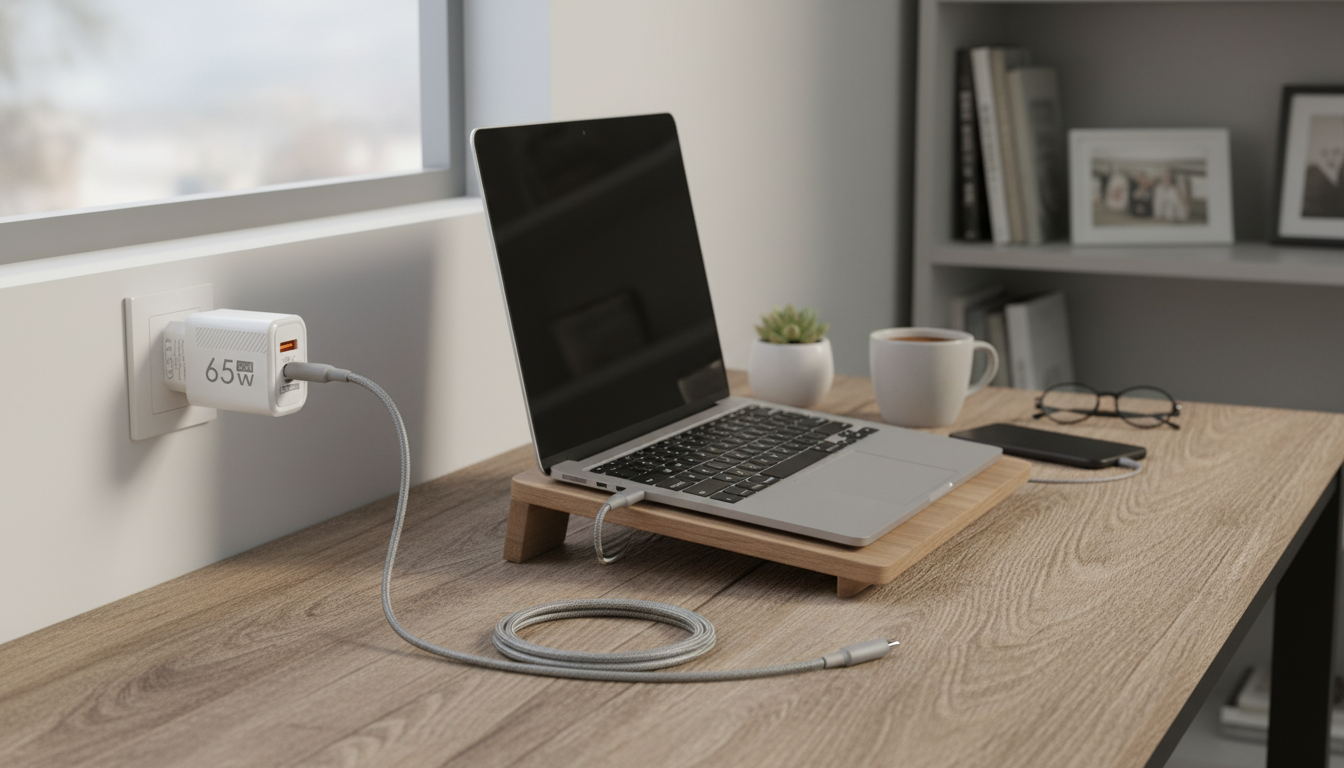
When you’re deciding what to buy, start with PD compatibility if you want broad, reliable fast charging on USB-C devices. Then choose GaN if you want a more compact charger, especially for travel or for high-power needs like a laptop plus a phone. Also match wattage to your top-demand device: a 65W class charger is a common sweet spot for many USB-C laptops and multi-device setups.
For a deeper breakdown of what to look for in a 65W class option, our team put together a practical guide here: https://splendona.com/guide-65w-gan-usb-c-wall-charger-quick-charge/.
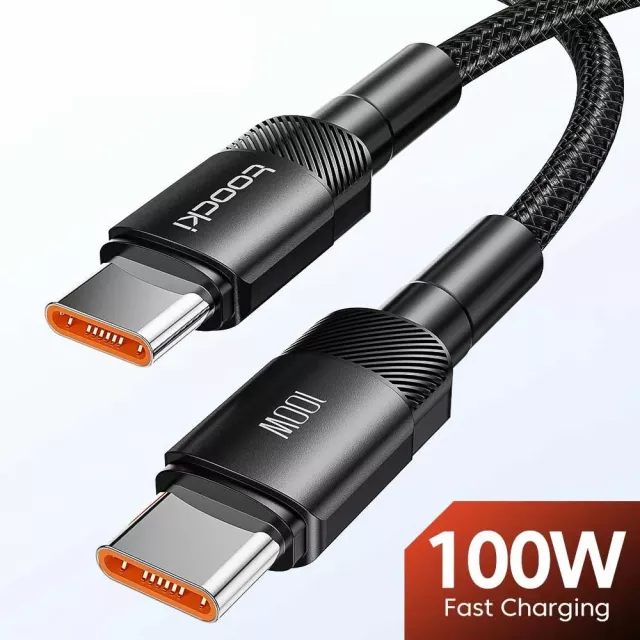
For most phones and tablets, a quality USB-C to USB-C cable works well. For higher power levels (especially laptops), use a USB-C cable rated for the wattage you plan to draw to maintain safe, stable charging.


Leave a comment