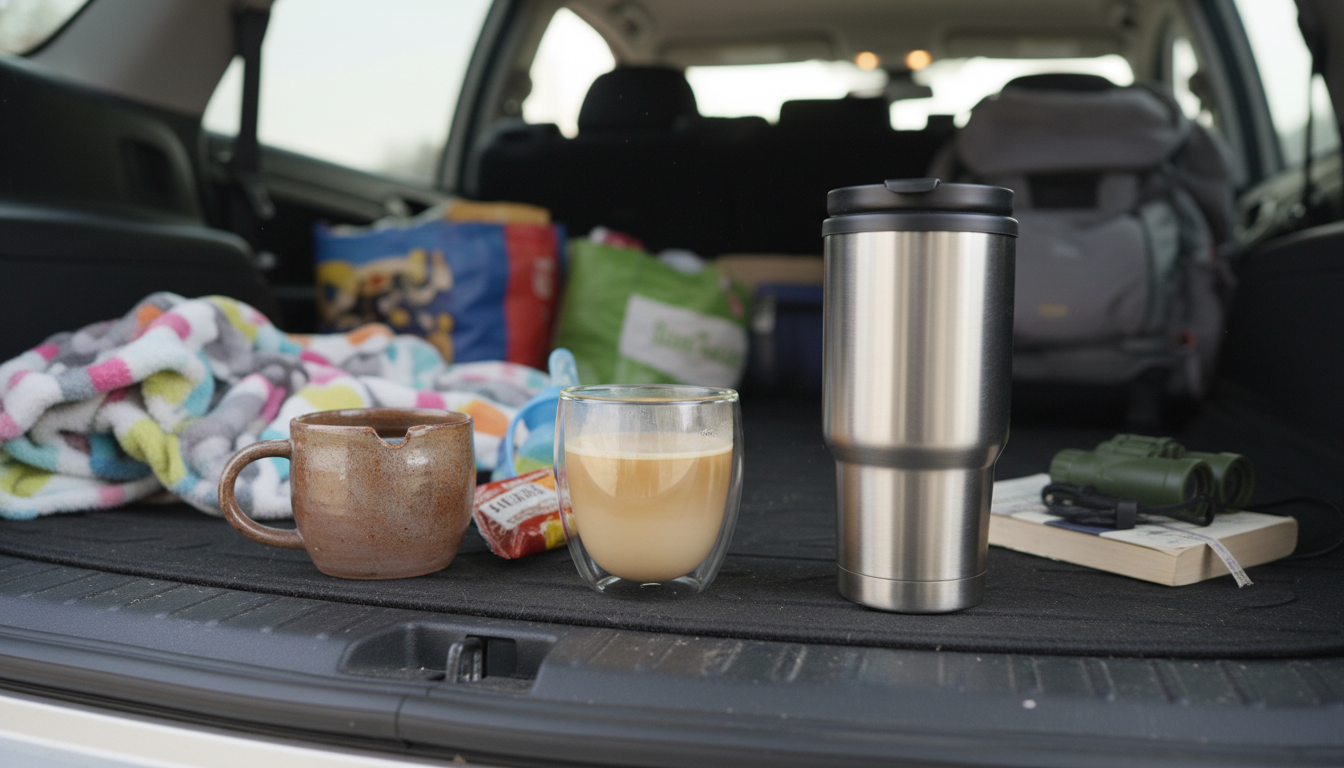
The healthiest cup to drink coffee out of is typically a high-quality ceramic (stoneware or porcelain) cup with a food-safe glaze. Ceramic is stable at coffee temperatures, doesn’t add a metallic taste, and is less likely to leach unwanted substances than some plastics or heavily worn coatings. For most daily coffee drinkers, a well-made ceramic cup is a simple, reliable choice that balances safety, comfort, and heat retention.
Ceramic cups are fired at high temperatures and, when properly glazed, form a non-porous surface that’s easy to clean and resistant to absorbing odors or oils. That matters for coffee, which can cling to porous materials and create lingering flavors over time. A smooth, intact glaze also helps prevent staining and makes it easier to fully wash away residues that can affect taste.
Not all ceramic is equal. Look for cups labeled food-safe and made by reputable brands, since the glaze quality is key. If a cup is chipped, cracked, or has a worn interior surface, retire it—damage can expose rough areas that hold residue and make cleaning harder. A comfortable handle and a thickness that keeps coffee hot without overheating your fingers can also encourage slower, more enjoyable sipping.
Glass is another excellent option because it’s inert and won’t hold flavors, though it can cool coffee faster and may be fragile. Stainless steel is durable and convenient for travel, but some people notice a slight taste difference, and it’s best to avoid letting acidic drinks sit for long periods in lower-quality metals. Plastic is generally the least “healthy” choice for hot coffee because heat can accelerate odor retention and potential chemical migration, especially in older or scratched cups.
If you want a classic ceramic option designed for everyday use, see this guide to a retro 250 ml ceramic cup and saucer: https://splendona.com/guide-retro-250ml-ceramic-cup-saucer-daily-coffee/.
It’s better to replace it. Chips and cracks can trap residue and make thorough cleaning difficult, and the damaged area may worsen over time with repeated heating and washing.
The healthiest cup to drink coffee out of is typically a high-quality ceramic (stoneware or porcelain) cup with a food-safe glaze. Ceramic is stable at coffee temperatures, doesn’t add a metallic taste, and is less likely to leach unwanted substances than some plastics or heavily worn coatings. For most daily coffee drinkers, a well-made ceramic cup is a simple, reliable choice that balances safety, comfort, and heat retention.
Ceramic cups are fired at high temperatures and, when properly glazed, form a non-porous surface that’s easy to clean and resistant to absorbing odors or oils. That matters for coffee, which can cling to porous materials and create lingering flavors over time. A smooth, intact glaze also helps prevent staining and makes it easier to fully wash away residues that can affect taste.
Not all ceramic is equal. Look for cups labeled food-safe and made by reputable brands, since the glaze quality is key. If a cup is chipped, cracked, or has a worn interior surface, retire it—damage can expose rough areas that hold residue and make cleaning harder. A comfortable handle and a thickness that keeps coffee hot without overheating your fingers can also encourage slower, more enjoyable sipping.
Glass is another excellent option because it’s inert and won’t hold flavors, though it can cool coffee faster and may be fragile. Stainless steel is durable and convenient for travel, but some people notice a slight taste difference, and it’s best to avoid letting acidic drinks sit for long periods in lower-quality metals. Plastic is generally the least “healthy” choice for hot coffee because heat can accelerate odor retention and potential chemical migration, especially in older or scratched cups.
If you want a classic ceramic option designed for everyday use, see this guide to a retro 250 ml ceramic cup and saucer: https://splendona.com/guide-retro-250ml-ceramic-cup-saucer-daily-coffee/.
It’s better to replace it. Chips and cracks can trap residue and make thorough cleaning difficult, and the damaged area may worsen over time with repeated heating and washing.






Leave a comment