
Reducing waste in business means cutting down anything that doesn’t add value for customers or the company—extra materials, time, energy, packaging, transportation, defects, or unused inventory. The goal is to use fewer resources to deliver the same (or better) product or service, which lowers costs, improves efficiency, and often reduces environmental impact.
Waste can hide in plain sight. In a retail or e-commerce setting, it may look like over-ordering products that sit in storage, shipping items in oversized boxes filled with filler, or handling avoidable returns caused by unclear product descriptions. In offices, it can be unnecessary printing, redundant approvals, or software subscriptions no one uses.
Operationally, reducing waste usually involves measuring what’s being used, spotting the biggest “leaks,” and fixing the process—not just the symptoms. That could mean improving forecasting to prevent dead stock, standardizing packing methods to reduce material use, or streamlining workflows so teams spend less time on rework.
Waste reduction is often a straightforward way to protect margins. Using less packaging, reducing product damage in transit, and minimizing returns can directly lower expenses. It can also make fulfillment faster and more reliable, which improves the customer experience.
Beyond cost, reducing waste helps businesses meet sustainability goals and comply with changing regulations around materials and disposal. Many shoppers also prefer brands that ship responsibly, avoid excess plastic, and design products and packaging with reuse or recycling in mind.
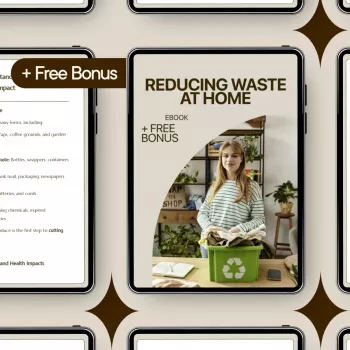
Many effective waste-cutting ideas borrow from low-waste living—using only what’s needed, choosing reusable options, and planning ahead to prevent excess. For approachable inspiration that translates well to business culture and daily habits, see this guide: https://splendona.com/guide-reduce-waste-at-home-simple-low-waste-habits/.
Common sources include oversized packaging, excessive void fill, product damage from poor packing, inaccurate picks that trigger reshipments, and returns caused by mismatched expectations. Improving packing standards and product information can reduce several of these at once.





Leave a comment