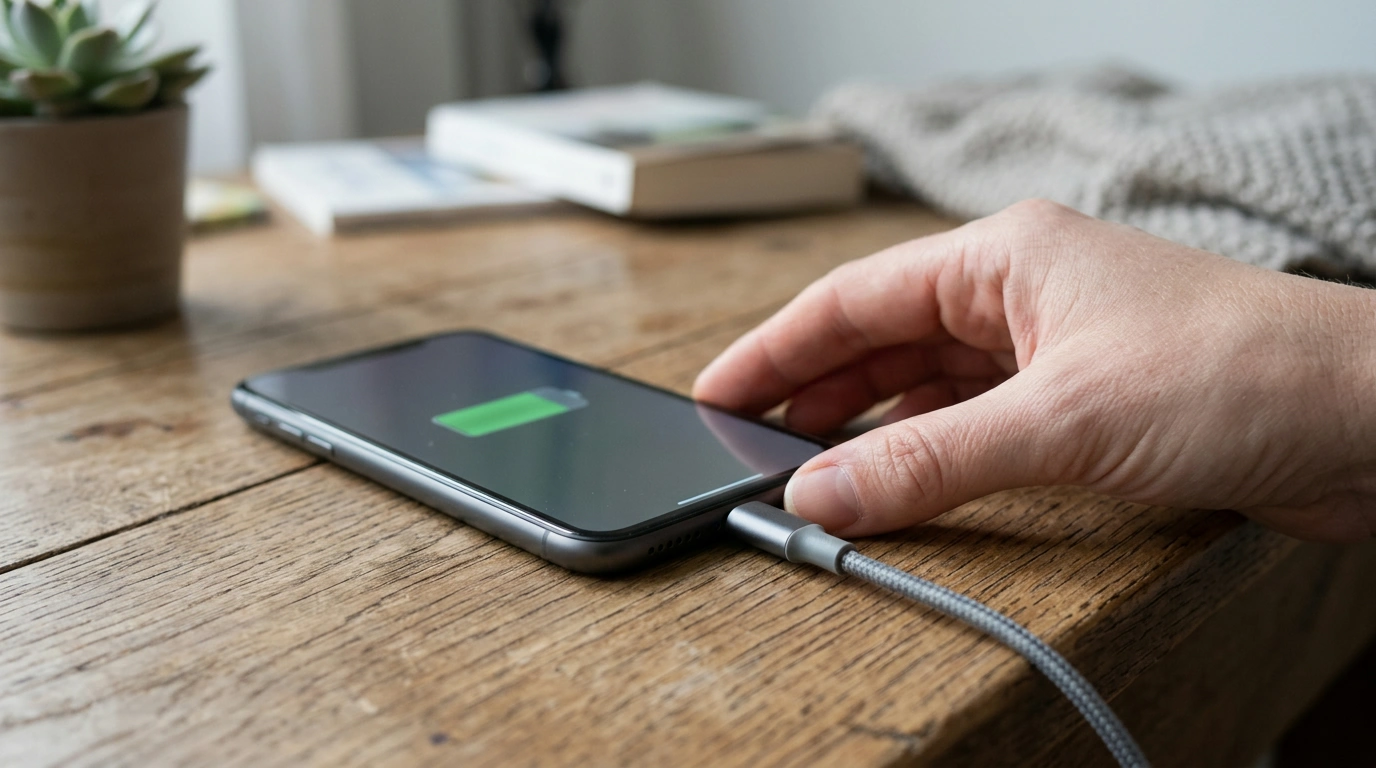
For the best long-term battery health, our team recommends keeping your iPhone’s daily charge level in the “middle” most of the time: aim to start charging around 20–30% and unplug around 80%. This range reduces stress on the battery compared with regularly sitting at 100% or frequently dropping to 0%.
If you want a simple habit, use 30–80% as your default window. Topping up in shorter sessions (rather than running it down completely and doing one big refill) is typically easier on the battery—especially if you avoid heat while charging.
Charging to 100% is fine when you actually need the full day of runtime—travel days, long shifts, or heavy GPS use. The bigger issue isn’t hitting 100% once in a while; it’s leaving the phone at 100% for hours at a time (like charging overnight every night with no charge management).
Turn on Optimized Battery Charging (and, if available on your model, Clean Energy Charging). These features are designed to reduce the time your iPhone spends fully charged, which supports healthier aging of the battery without you micromanaging it.
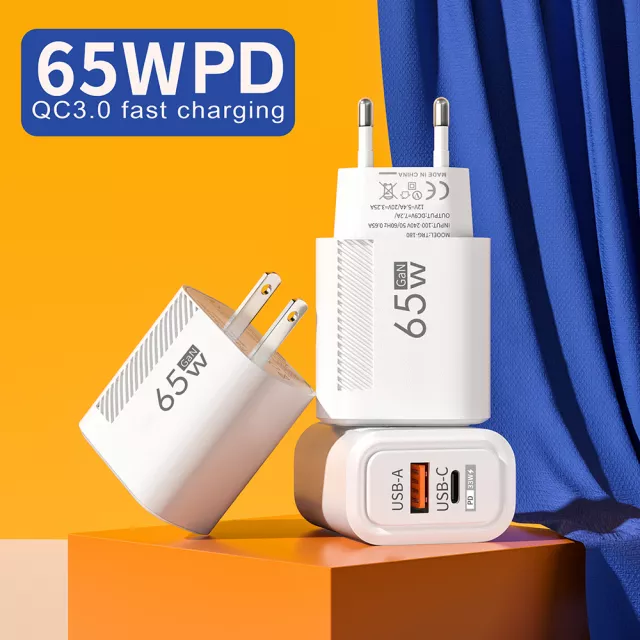
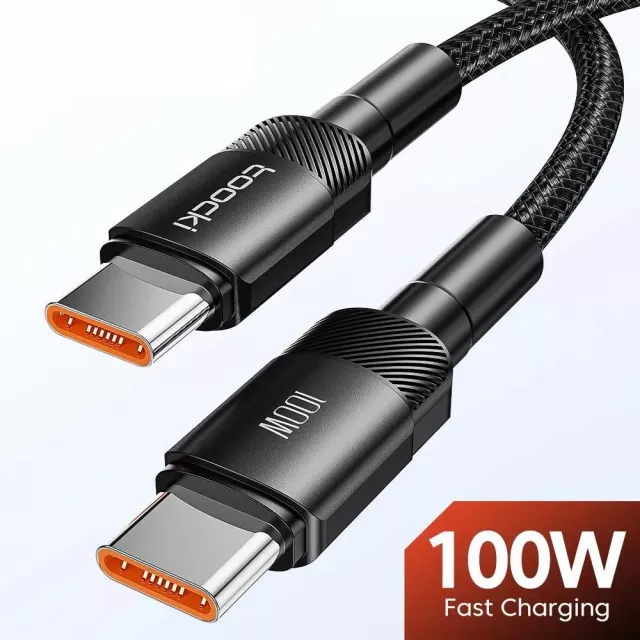
Heat is a major driver of battery wear. Try not to charge under a pillow, in direct sun, or in a hot car, and consider removing thick cases if your phone gets warm during charging. Using a reliable USB-C charger and a quality cable can also help deliver stable power; if you’re choosing a modern fast charger, you can compare options in our guide: 65W GaN USB-C wall charger quick charge guide.
Fast charging is generally safe because the iPhone manages power and reduces charging speed as needed, especially near higher percentages. For the least battery stress, use fast charging when you need it and favor cooler conditions and the 20–80% range for everyday top-ups.





Leave a comment