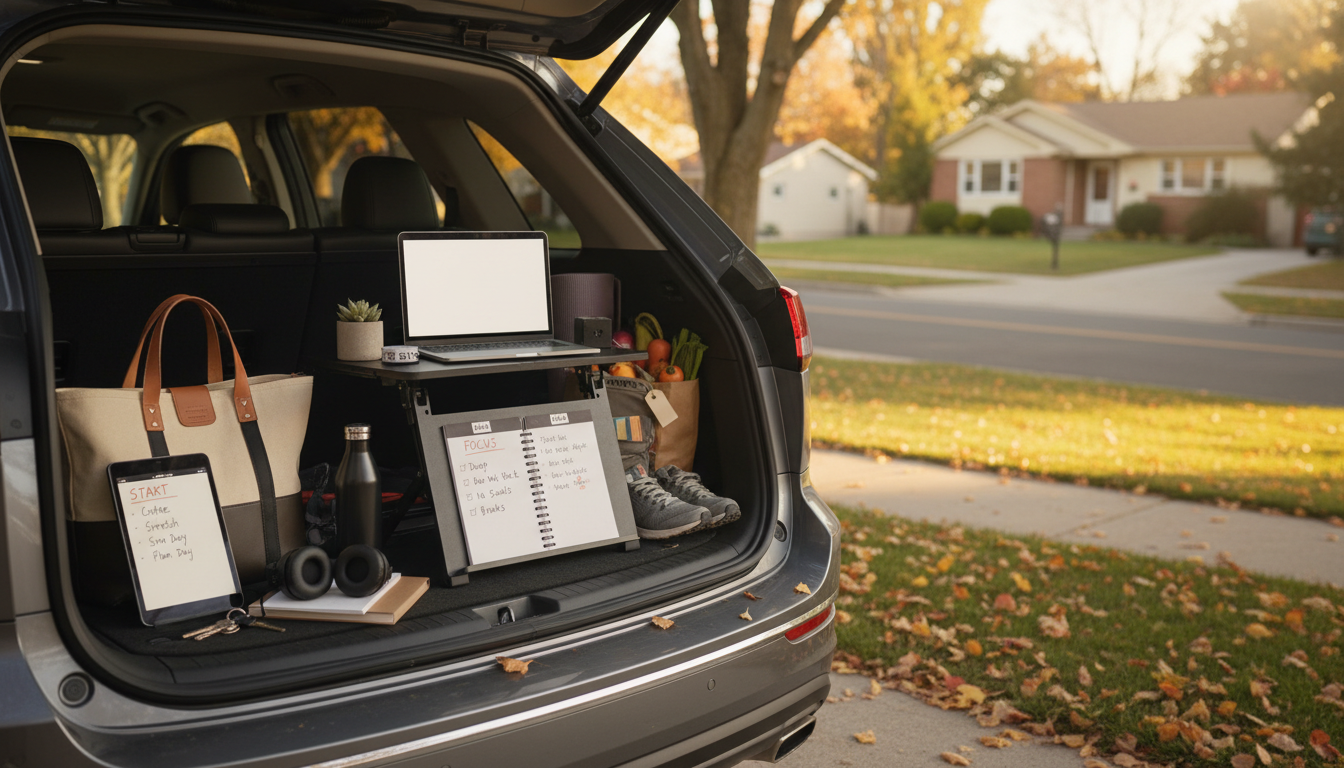
A solid work-from-home motivation checklist should cover three things: how you start your day, how you protect your focus, and how you end work so tomorrow feels manageable. When the list is practical and quick to scan, it’s easier to follow even on low-energy days.
Include a consistent wake-up time, getting dressed (even if casual), water/coffee, and a two-minute tidy of your desk. Add one item that signals your brain it’s go-time—opening your task list, turning on a focus playlist, or reviewing your calendar.
Write down your top 1–3 outcomes for the day, plus the single next action for each. Add a quick reality check: time blocks for deep work, meetings, and admin tasks. Keeping priorities small prevents the “I did a lot but finished nothing” feeling.
List your common distractions and the one step that limits each: silence nonessential notifications, keep your phone out of reach, close extra tabs, or use a website blocker. Add a reminder to prep your workspace—charger, notebook, and any files you’ll need—before you start.
Add a first task that’s easy to begin (5–10 minutes) to create quick progress. Schedule short breaks, a stretch, and a real lunch away from your screen. If motivation drops in the afternoon, plan a “reset” block: tidy, refill water, and restart with one small task.
End your checklist with a shutdown routine: mark what’s done, capture loose thoughts, and choose tomorrow’s first task. This reduces after-hours mental clutter and makes it easier to start the next morning.
For a deeper, step-by-step version you can follow daily, see the full guide here: work-from-home motivation checklist.
Use time blocks, start with a small “starter task,” and add accountability like a check-in message or a shared progress update. A consistent shutdown routine also helps prevent burnout and makes the next day easier.






Leave a comment