Chefs don’t actually use only stainless steel, but it’s the backbone of many professional kitchens because it balances performance, durability, and hygiene better than most materials. You’ll see stainless everywhere—from mixing bowls and prep tables to molds, tools, and cookware—because it stands up to constant use without adding flavors or reacting with ingredients.
Stainless steel won’t react with acidic foods like tomatoes, citrus, vinegar, or wine. That matters in professional cooking where sauces reduce for hours and ingredients are tasted repeatedly. A reactive metal can create off flavors or discoloration; stainless helps keep results consistent and true to the recipe.
Busy kitchens are rough environments: high burners, hot ovens, ice baths, rapid washing, and frequent drops. Stainless steel tolerates thermal shock and daily wear without cracking or chipping like some ceramics or enamel-coated items. Many stainless pans also include an aluminum or copper core for faster, more even heat while keeping a stainless cooking surface.
Food safety is a constant priority. Stainless steel has a smooth, non-porous surface that’s easier to scrub clean, doesn’t absorb odors, and holds up to detergents and commercial dishwashers. That’s a big reason it’s used not only for cookware, but also for work surfaces and storage containers.
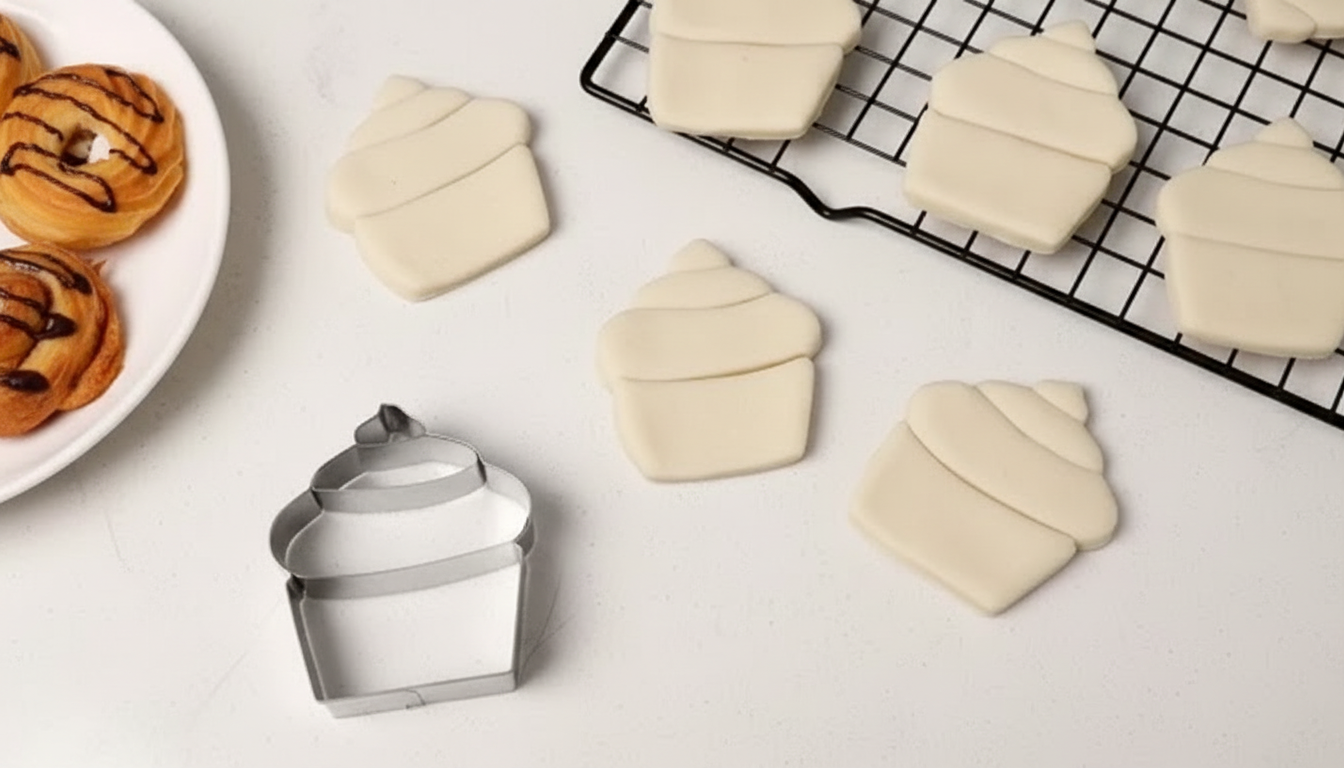
Stainless steel is rigid and stable, which helps with tools that need clean edges and consistent shapes. For example, stainless molds and cutters can keep crisp lines and resist bending, making them useful for everything from pastries to frozen treats. For more on picking stainless items for shaping and portioning, see this stainless steel mold set guide.
Many chefs also rely on cast iron for heat retention, carbon steel for fast searing, and nonstick for delicate eggs or fish. Stainless is the workhorse, not the only option.
Yes. Quality stainless steel is widely considered food-safe because it’s non-porous, corrosion-resistant, and doesn’t react with most ingredients under normal cooking conditions.
Chefs don’t actually use only stainless steel, but it’s the backbone of many professional kitchens because it balances performance, durability, and hygiene better than most materials. You’ll see stainless everywhere—from mixing bowls and prep tables to molds, tools, and cookware—because it stands up to constant use without adding flavors or reacting with ingredients.
Stainless steel won’t react with acidic foods like tomatoes, citrus, vinegar, or wine. That matters in professional cooking where sauces reduce for hours and ingredients are tasted repeatedly. A reactive metal can create off flavors or discoloration; stainless helps keep results consistent and true to the recipe.
Busy kitchens are rough environments: high burners, hot ovens, ice baths, rapid washing, and frequent drops. Stainless steel tolerates thermal shock and daily wear without cracking or chipping like some ceramics or enamel-coated items. Many stainless pans also include an aluminum or copper core for faster, more even heat while keeping a stainless cooking surface.
Food safety is a constant priority. Stainless steel has a smooth, non-porous surface that’s easier to scrub clean, doesn’t absorb odors, and holds up to detergents and commercial dishwashers. That’s a big reason it’s used not only for cookware, but also for work surfaces and storage containers.
Stainless steel is rigid and stable, which helps with tools that need clean edges and consistent shapes. For example, stainless molds and cutters can keep crisp lines and resist bending, making them useful for everything from pastries to frozen treats. For more on picking stainless items for shaping and portioning, see this stainless steel mold set guide.
Many chefs also rely on cast iron for heat retention, carbon steel for fast searing, and nonstick for delicate eggs or fish. Stainless is the workhorse, not the only option.
Yes. Quality stainless steel is widely considered food-safe because it’s non-porous, corrosion-resistant, and doesn’t react with most ingredients under normal cooking conditions.
Chefs don’t actually use only stainless steel, but it’s the backbone of many professional kitchens because it balances performance, durability, and hygiene better than most materials. You’ll see stainless everywhere—from mixing bowls and prep tables to molds, tools, and cookware—because it stands up to constant use without adding flavors or reacting with ingredients.
Stainless steel won’t react with acidic foods like tomatoes, citrus, vinegar, or wine. That matters in professional cooking where sauces reduce for hours and ingredients are tasted repeatedly. A reactive metal can create off flavors or discoloration; stainless helps keep results consistent and true to the recipe.
Busy kitchens are rough environments: high burners, hot ovens, ice baths, rapid washing, and frequent drops. Stainless steel tolerates thermal shock and daily wear without cracking or chipping like some ceramics or enamel-coated items. Many stainless pans also include an aluminum or copper core for faster, more even heat while keeping a stainless cooking surface.
Food safety is a constant priority. Stainless steel has a smooth, non-porous surface that’s easier to scrub clean, doesn’t absorb odors, and holds up to detergents and commercial dishwashers. That’s a big reason it’s used not only for cookware, but also for work surfaces and storage containers.
Stainless steel is rigid and stable, which helps with tools that need clean edges and consistent shapes. For example, stainless molds and cutters can keep crisp lines and resist bending, making them useful for everything from pastries to frozen treats. For more on picking stainless items for shaping and portioning, see this stainless steel mold set guide.
Many chefs also rely on cast iron for heat retention, carbon steel for fast searing, and nonstick for delicate eggs or fish. Stainless is the workhorse, not the only option.
Yes. Quality stainless steel is widely considered food-safe because it’s non-porous, corrosion-resistant, and doesn’t react with most ingredients under normal cooking conditions.
Chefs don’t actually use only stainless steel, but it’s the backbone of many professional kitchens because it balances performance, durability, and hygiene better than most materials. You’ll see stainless everywhere—from mixing bowls and prep tables to molds, tools, and cookware—because it stands up to constant use without adding flavors or reacting with ingredients.
Stainless steel won’t react with acidic foods like tomatoes, citrus, vinegar, or wine. That matters in professional cooking where sauces reduce for hours and ingredients are tasted repeatedly. A reactive metal can create off flavors or discoloration; stainless helps keep results consistent and true to the recipe.
Busy kitchens are rough environments: high burners, hot ovens, ice baths, rapid washing, and frequent drops. Stainless steel tolerates thermal shock and daily wear without cracking or chipping like some ceramics or enamel-coated items. Many stainless pans also include an aluminum or copper core for faster, more even heat while keeping a stainless cooking surface.
Food safety is a constant priority. Stainless steel has a smooth, non-porous surface that’s easier to scrub clean, doesn’t absorb odors, and holds up to detergents and commercial dishwashers. That’s a big reason it’s used not only for cookware, but also for work surfaces and storage containers.
Stainless steel is rigid and stable, which helps with tools that need clean edges and consistent shapes. For example, stainless molds and cutters can keep crisp lines and resist bending, making them useful for everything from pastries to frozen treats. For more on picking stainless items for shaping and portioning, see this stainless steel mold set guide.
Many chefs also rely on cast iron for heat retention, carbon steel for fast searing, and nonstick for delicate eggs or fish. Stainless is the workhorse, not the only option.
Yes. Quality stainless steel is widely considered food-safe because it’s non-porous, corrosion-resistant, and doesn’t react with most ingredients under normal cooking conditions.
Chefs don’t actually use only stainless steel, but it’s the backbone of many professional kitchens because it balances performance, durability, and hygiene better than most materials. You’ll see stainless everywhere—from mixing bowls and prep tables to molds, tools, and cookware—because it stands up to constant use without adding flavors or reacting with ingredients.
Stainless steel won’t react with acidic foods like tomatoes, citrus, vinegar, or wine. That matters in professional cooking where sauces reduce for hours and ingredients are tasted repeatedly. A reactive metal can create off flavors or discoloration; stainless helps keep results consistent and true to the recipe.
Busy kitchens are rough environments: high burners, hot ovens, ice baths, rapid washing, and frequent drops. Stainless steel tolerates thermal shock and daily wear without cracking or chipping like some ceramics or enamel-coated items. Many stainless pans also include an aluminum or copper core for faster, more even heat while keeping a stainless cooking surface.
Food safety is a constant priority. Stainless steel has a smooth, non-porous surface that’s easier to scrub clean, doesn’t absorb odors, and holds up to detergents and commercial dishwashers. That’s a big reason it’s used not only for cookware, but also for work surfaces and storage containers.
Stainless steel is rigid and stable, which helps with tools that need clean edges and consistent shapes. For example, stainless molds and cutters can keep crisp lines and resist bending, making them useful for everything from pastries to frozen treats. For more on picking stainless items for shaping and portioning, see this stainless steel mold set guide.
Many chefs also rely on cast iron for heat retention, carbon steel for fast searing, and nonstick for delicate eggs or fish. Stainless is the workhorse, not the only option.
Yes. Quality stainless steel is widely considered food-safe because it’s non-porous, corrosion-resistant, and doesn’t react with most ingredients under normal cooking conditions.
Chefs don’t actually use only stainless steel, but it’s the backbone of many professional kitchens because it balances performance, durability, and hygiene better than most materials. You’ll see stainless everywhere—from mixing bowls and prep tables to molds, tools, and cookware—because it stands up to constant use without adding flavors or reacting with ingredients.
Stainless steel won’t react with acidic foods like tomatoes, citrus, vinegar, or wine. That matters in professional cooking where sauces reduce for hours and ingredients are tasted repeatedly. A reactive metal can create off flavors or discoloration; stainless helps keep results consistent and true to the recipe.
Busy kitchens are rough environments: high burners, hot ovens, ice baths, rapid washing, and frequent drops. Stainless steel tolerates thermal shock and daily wear without cracking or chipping like some ceramics or enamel-coated items. Many stainless pans also include an aluminum or copper core for faster, more even heat while keeping a stainless cooking surface.
Food safety is a constant priority. Stainless steel has a smooth, non-porous surface that’s easier to scrub clean, doesn’t absorb odors, and holds up to detergents and commercial dishwashers. That’s a big reason it’s used not only for cookware, but also for work surfaces and storage containers.
Stainless steel is rigid and stable, which helps with tools that need clean edges and consistent shapes. For example, stainless molds and cutters can keep crisp lines and resist bending, making them useful for everything from pastries to frozen treats. For more on picking stainless items for shaping and portioning, see this stainless steel mold set guide.
Many chefs also rely on cast iron for heat retention, carbon steel for fast searing, and nonstick for delicate eggs or fish. Stainless is the workhorse, not the only option.
Yes. Quality stainless steel is widely considered food-safe because it’s non-porous, corrosion-resistant, and doesn’t react with most ingredients under normal cooking conditions.
Chefs don’t actually use only stainless steel, but it’s the backbone of many professional kitchens because it balances performance, durability, and hygiene better than most materials. You’ll see stainless everywhere—from mixing bowls and prep tables to molds, tools, and cookware—because it stands up to constant use without adding flavors or reacting with ingredients.
Stainless steel won’t react with acidic foods like tomatoes, citrus, vinegar, or wine. That matters in professional cooking where sauces reduce for hours and ingredients are tasted repeatedly. A reactive metal can create off flavors or discoloration; stainless helps keep results consistent and true to the recipe.
Busy kitchens are rough environments: high burners, hot ovens, ice baths, rapid washing, and frequent drops. Stainless steel tolerates thermal shock and daily wear without cracking or chipping like some ceramics or enamel-coated items. Many stainless pans also include an aluminum or copper core for faster, more even heat while keeping a stainless cooking surface.
Food safety is a constant priority. Stainless steel has a smooth, non-porous surface that’s easier to scrub clean, doesn’t absorb odors, and holds up to detergents and commercial dishwashers. That’s a big reason it’s used not only for cookware, but also for work surfaces and storage containers.
Stainless steel is rigid and stable, which helps with tools that need clean edges and consistent shapes. For example, stainless molds and cutters can keep crisp lines and resist bending, making them useful for everything from pastries to frozen treats. For more on picking stainless items for shaping and portioning, see this stainless steel mold set guide.
Many chefs also rely on cast iron for heat retention, carbon steel for fast searing, and nonstick for delicate eggs or fish. Stainless is the workhorse, not the only option.
Yes. Quality stainless steel is widely considered food-safe because it’s non-porous, corrosion-resistant, and doesn’t react with most ingredients under normal cooking conditions.
Chefs don’t actually use only stainless steel, but it’s the backbone of many professional kitchens because it balances performance, durability, and hygiene better than most materials. You’ll see stainless everywhere—from mixing bowls and prep tables to molds, tools, and cookware—because it stands up to constant use without adding flavors or reacting with ingredients.
Stainless steel won’t react with acidic foods like tomatoes, citrus, vinegar, or wine. That matters in professional cooking where sauces reduce for hours and ingredients are tasted repeatedly. A reactive metal can create off flavors or discoloration; stainless helps keep results consistent and true to the recipe.
Busy kitchens are rough environments: high burners, hot ovens, ice baths, rapid washing, and frequent drops. Stainless steel tolerates thermal shock and daily wear without cracking or chipping like some ceramics or enamel-coated items. Many stainless pans also include an aluminum or copper core for faster, more even heat while keeping a stainless cooking surface.
Food safety is a constant priority. Stainless steel has a smooth, non-porous surface that’s easier to scrub clean, doesn’t absorb odors, and holds up to detergents and commercial dishwashers. That’s a big reason it’s used not only for cookware, but also for work surfaces and storage containers.
Stainless steel is rigid and stable, which helps with tools that need clean edges and consistent shapes. For example, stainless molds and cutters can keep crisp lines and resist bending, making them useful for everything from pastries to frozen treats. For more on picking stainless items for shaping and portioning, see this stainless steel mold set guide.
Many chefs also rely on cast iron for heat retention, carbon steel for fast searing, and nonstick for delicate eggs or fish. Stainless is the workhorse, not the only option.
Yes. Quality stainless steel is widely considered food-safe because it’s non-porous, corrosion-resistant, and doesn’t react with most ingredients under normal cooking conditions.
Chefs don’t actually use only stainless steel, but it’s the backbone of many professional kitchens because it balances performance, durability, and hygiene better than most materials. You’ll see stainless everywhere—from mixing bowls and prep tables to molds, tools, and cookware—because it stands up to constant use without adding flavors or reacting with ingredients.
Stainless steel won’t react with acidic foods like tomatoes, citrus, vinegar, or wine. That matters in professional cooking where sauces reduce for hours and ingredients are tasted repeatedly. A reactive metal can create off flavors or discoloration; stainless helps keep results consistent and true to the recipe.
Busy kitchens are rough environments: high burners, hot ovens, ice baths, rapid washing, and frequent drops. Stainless steel tolerates thermal shock and daily wear without cracking or chipping like some ceramics or enamel-coated items. Many stainless pans also include an aluminum or copper core for faster, more even heat while keeping a stainless cooking surface.
Food safety is a constant priority. Stainless steel has a smooth, non-porous surface that’s easier to scrub clean, doesn’t absorb odors, and holds up to detergents and commercial dishwashers. That’s a big reason it’s used not only for cookware, but also for work surfaces and storage containers.
Stainless steel is rigid and stable, which helps with tools that need clean edges and consistent shapes. For example, stainless molds and cutters can keep crisp lines and resist bending, making them useful for everything from pastries to frozen treats. For more on picking stainless items for shaping and portioning, see this stainless steel mold set guide.
Many chefs also rely on cast iron for heat retention, carbon steel for fast searing, and nonstick for delicate eggs or fish. Stainless is the workhorse, not the only option.
Yes. Quality stainless steel is widely considered food-safe because it’s non-porous, corrosion-resistant, and doesn’t react with most ingredients under normal cooking conditions.
Chefs don’t actually use only stainless steel, but it’s the backbone of many professional kitchens because it balances performance, durability, and hygiene better than most materials. You’ll see stainless everywhere—from mixing bowls and prep tables to molds, tools, and cookware—because it stands up to constant use without adding flavors or reacting with ingredients.
Stainless steel won’t react with acidic foods like tomatoes, citrus, vinegar, or wine. That matters in professional cooking where sauces reduce for hours and ingredients are tasted repeatedly. A reactive metal can create off flavors or discoloration; stainless helps keep results consistent and true to the recipe.
Busy kitchens are rough environments: high burners, hot ovens, ice baths, rapid washing, and frequent drops. Stainless steel tolerates thermal shock and daily wear without cracking or chipping like some ceramics or enamel-coated items. Many stainless pans also include an aluminum or copper core for faster, more even heat while keeping a stainless cooking surface.
Food safety is a constant priority. Stainless steel has a smooth, non-porous surface that’s easier to scrub clean, doesn’t absorb odors, and holds up to detergents and commercial dishwashers. That’s a big reason it’s used not only for cookware, but also for work surfaces and storage containers.
Stainless steel is rigid and stable, which helps with tools that need clean edges and consistent shapes. For example, stainless molds and cutters can keep crisp lines and resist bending, making them useful for everything from pastries to frozen treats. For more on picking stainless items for shaping and portioning, see this stainless steel mold set guide.
Many chefs also rely on cast iron for heat retention, carbon steel for fast searing, and nonstick for delicate eggs or fish. Stainless is the workhorse, not the only option.
Yes. Quality stainless steel is widely considered food-safe because it’s non-porous, corrosion-resistant, and doesn’t react with most ingredients under normal cooking conditions.





Leave a comment