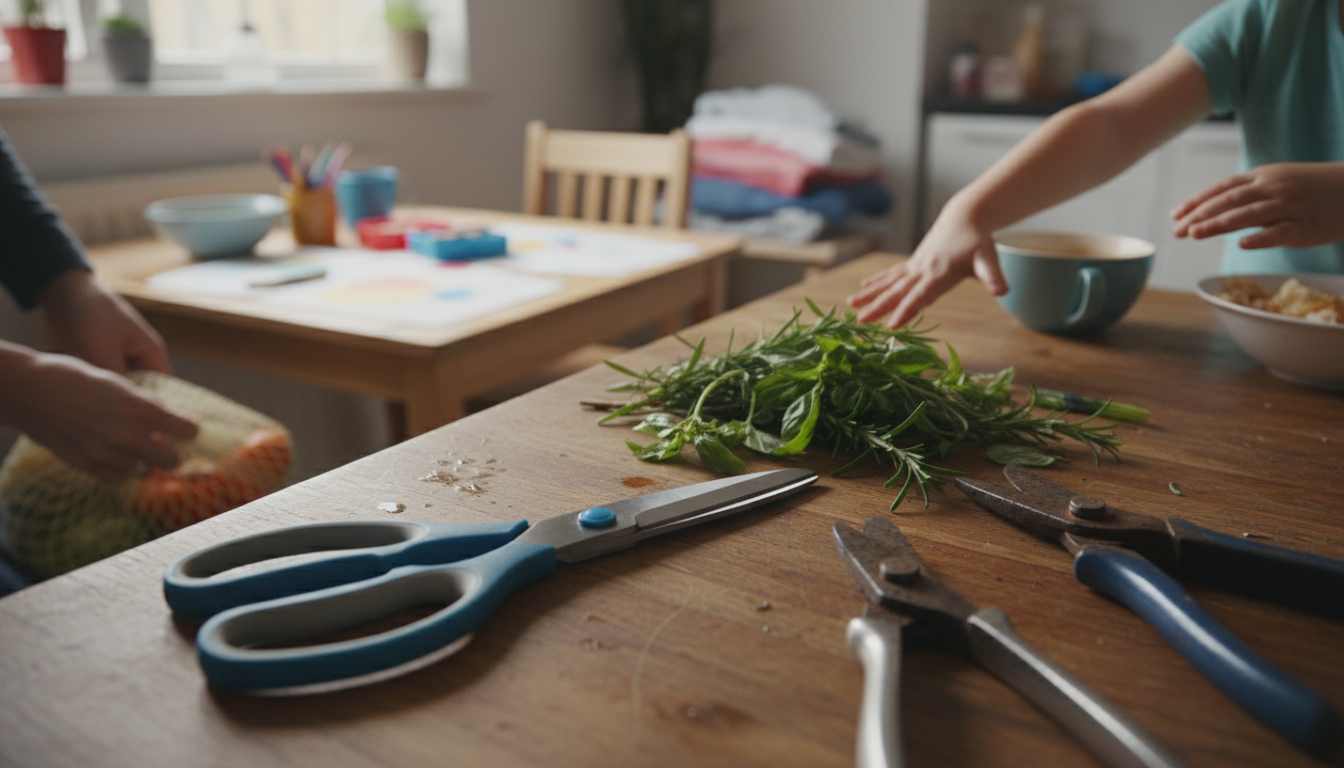
Stainless steel scissors can be better, but only when the steel grade, heat treatment, and blade design match what you’re cutting. The biggest advantage is corrosion resistance: stainless steel is less likely to rust from humidity, sap, or frequent washing, which helps the blades stay smooth and hygienic over time.
That said, “stainless” doesn’t automatically mean “sharper” or “tougher.” Some stainless steels prioritize rust resistance over edge retention, so they may dull faster than higher-carbon options if the blades aren’t properly hardened. Better stainless scissors use quality alloys and good tempering to balance hardness (for a lasting edge) with toughness (to resist chipping).
Stainless steel scissors tend to win in damp environments, kitchens, bathrooms, salons, and outdoor work where moisture is constant. They’re also a strong pick for gardening and pruning tasks when tools are exposed to plant sap, fertilizer residue, or rinsing after use. If you want a low-fuss tool that’s less likely to discolor or pit, stainless is usually the safer bet.
For heavy-duty cutting where edge longevity is the priority, certain high-carbon or specialty tool steels can hold a keen edge longer—assuming they’re maintained and protected from rust. If scissors are used on abrasive materials (like cardboard, fabric with grit, or certain composites), edge retention matters as much as corrosion resistance, and steel choice becomes more nuanced.
Look for solid blade alignment, a smooth pivot, and comfortable handles that encourage controlled cuts. Micro-serrated or precision-ground edges can change performance dramatically depending on whether you need grip (for slippery stems) or a clean slice (for delicate materials). For a deeper breakdown of stainless steel in cutting tools—especially for garden use—see this stainless steel garden pruning shears guide.
Dry them after cleaning, add a light wipe of oil at the pivot and along the blades, and store them in a dry place. Even stainless steel benefits from basic moisture control to prevent staining and stiffness.





Leave a comment