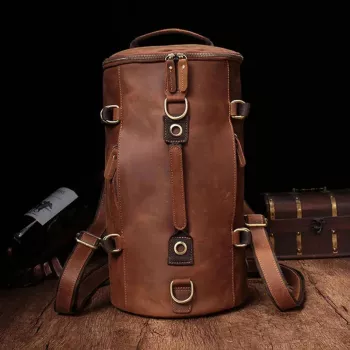
Vintage leather can be very good—often better than many modern alternatives—because it’s already proven its durability. When leather has survived years of use without cracking apart or turning brittle, it usually indicates higher-quality hide, solid tanning, and decent construction. The result is a material that feels broken-in, looks richer, and tends to develop character instead of simply “wearing out.”
That said, “vintage” isn’t automatically a guarantee of quality. Leather goods made with thin splits, heavy coatings, or weak stitching can age poorly, even if they’re old. The key is judging the leather’s condition and the bag’s build, not the label.
Good leather gets better with use. Over time it softens, the grain becomes more pronounced, and the surface develops a natural patina—subtle shifts in color and sheen that make each piece unique. Many vintage items were also made with thicker cuts and more repairable designs, so they can handle daily carry, travel, and changing weather with less fuss.
If you’re considering a vintage leather backpack or travel daypack, focus on how the leather flexes. Quality leather bends smoothly and springs back; dried-out leather tends to feel stiff and may show tiny surface cracks near stress points like strap bases and corners.
Strong signs include even color variation (patina), a slightly waxy or supple hand feel, tight stitching, and hardware that still closes cleanly. Light scuffs are normal and often desirable, but deep gouges, sticky finishes, flaking coatings, or a strong mildew odor can signal long-term storage problems.
Also check high-wear zones: strap holes, zipper ends, the bottom panel, and attachment points. These areas reveal whether the bag was well-made and whether it has plenty of life left.
Gentle cleaning and occasional conditioning typically go a long way. Avoid soaking, harsh detergents, or heavy oils that can darken leather dramatically. Store it in a breathable place and don’t compress it for long periods.
For a deeper look at leather type, aging, and what makes a vintage leather backpack worth it, visit the full guide here: https://splendona.com/guide-vintage-leather-bucket-backpack-mens-travel-daypack/.
Look for natural grain variation, a warm “leather” smell (not chemical), and edges that aren’t fabric-like or peeling with a plastic film. Real leather typically shows subtle pores and burnishes at wear points rather than flaking like a coating.
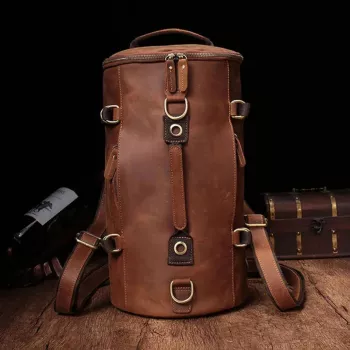
Vintage leather can be very good—often better than many modern alternatives—because it’s already proven its durability. When leather has survived years of use without cracking apart or turning brittle, it usually indicates higher-quality hide, solid tanning, and decent construction. The result is a material that feels broken-in, looks richer, and tends to develop character instead of simply “wearing out.”
That said, “vintage” isn’t automatically a guarantee of quality. Leather goods made with thin splits, heavy coatings, or weak stitching can age poorly, even if they’re old. The key is judging the leather’s condition and the bag’s build, not the label.
Good leather gets better with use. Over time it softens, the grain becomes more pronounced, and the surface develops a natural patina—subtle shifts in color and sheen that make each piece unique. Many vintage items were also made with thicker cuts and more repairable designs, so they can handle daily carry, travel, and changing weather with less fuss.
If you’re considering a vintage leather backpack or travel daypack, focus on how the leather flexes. Quality leather bends smoothly and springs back; dried-out leather tends to feel stiff and may show tiny surface cracks near stress points like strap bases and corners.
Strong signs include even color variation (patina), a slightly waxy or supple hand feel, tight stitching, and hardware that still closes cleanly. Light scuffs are normal and often desirable, but deep gouges, sticky finishes, flaking coatings, or a strong mildew odor can signal long-term storage problems.
Also check high-wear zones: strap holes, zipper ends, the bottom panel, and attachment points. These areas reveal whether the bag was well-made and whether it has plenty of life left.
Gentle cleaning and occasional conditioning typically go a long way. Avoid soaking, harsh detergents, or heavy oils that can darken leather dramatically. Store it in a breathable place and don’t compress it for long periods.
For a deeper look at leather type, aging, and what makes a vintage leather backpack worth it, visit the full guide here: https://splendona.com/guide-vintage-leather-bucket-backpack-mens-travel-daypack/.
Look for natural grain variation, a warm “leather” smell (not chemical), and edges that aren’t fabric-like or peeling with a plastic film. Real leather typically shows subtle pores and burnishes at wear points rather than flaking like a coating.



Leave a comment