
Reducing waste means preventing unnecessary trash and pollution by using fewer resources, choosing longer-lasting items, and keeping materials in use as long as possible. It’s about changing everyday decisions so less ends up in landfills or incinerators and less energy is spent extracting, manufacturing, and shipping things that quickly get thrown away.
Reducing waste starts before something becomes “garbage.” It often includes:
Waste isn’t just the item in the bin—it includes the raw materials, water, energy, and emissions tied to making and transporting it. Reducing waste can lower household costs, cut clutter, and help conserve resources. It also supports cleaner communities by minimizing litter and the strain on local waste systems.
Small shifts add up quickly: carry a reusable water bottle and shopping bags, choose products with minimal packaging, buy in bulk when it makes sense, store food properly to avoid spoilage, and use up leftovers. Swapping disposable paper goods for washable cloths and napkins can also reduce weekly trash volume.
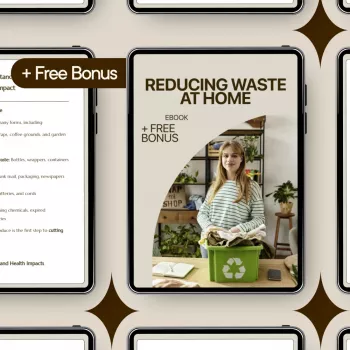
For more practical, low-effort ideas, visit this guide to reducing waste at home.
It means cutting down on unnecessary materials and disposables at work by using reusables, printing less, choosing refillable supplies, and setting up clear recycling and composting options where available.
It means designing operations to use fewer inputs and generate less trash—through smarter purchasing, efficient production, reusable or recyclable packaging, and programs that prevent products and materials from being discarded too soon.






Leave a comment